
Streetwear doesn’t play by normal retail rules. A limited drop sells out in minutes, and once it’s yours, returning it isn’t as simple as returning a regular hoodie.
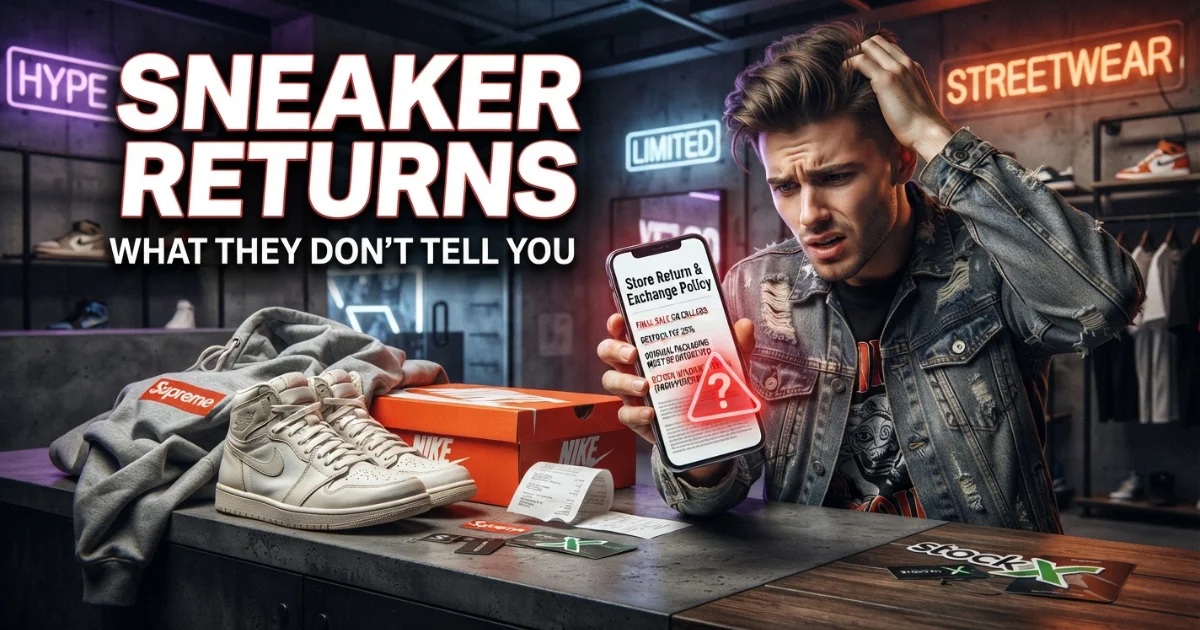
This guide breaks down streetwear and sneaker returns — what retailers rarely spell out, and what actually happens once a hyped item leaves the box.
What Is Streetwear (And Why Its Returns Are Different)
Before getting into return rules, it helps to understand why this category behaves so differently from regular clothing.
What is streetwear? It’s a casual fashion movement rooted in skate culture, hip-hop, and sneaker collecting, built around graphic tees, hoodies, and limited-run footwear rather than traditional formalwear.
The business model behind streetwear runs on hype culture and scarcity marketing. Brands intentionally release small batches — known as drops — to create demand that outpaces supply. This scarcity is what fuels the resale market and gives certain pieces real value beyond their retail price.
This is exactly why streetwear returns work differently. A regular stock item, like a basic tee, usually follows standard return rules. A limited drop often doesn’t, because its entire value depends on staying unworn, unwashed, and untouched — the moment that condition is broken, its resale worth drops sharply.
What Is the Sneakers Return Policy?
Sneakers sit at the center of streetwear culture, and their return rules reflect how much value rides on condition.
What is the sneakers return policy? Most retailers require sneakers to be unworn, with the original box and tags intact, returned within a standard window — commonly 14 to 30 days depending on the seller.
Retailers distinguish between trying on indoors and wearing outside. Sole wear, creasing, dirt, or scuffing are the telltale signs staff look for when inspecting a returned pair. A shoe tried on briefly at home looks completely different from one worn on pavement, even for a single walk.
Limited edition releases and brand collaborations are frequently marked final sale from the moment of purchase. Since these pairs often carry resale value on secondary markets, retailers avoid the risk of accepting a return, reselling it as new, and facing a dispute over authenticity or condition.
What Is a Good Reason for Return?

Not every return request gets the same response, and the reason behind it matters more than people expect.
What is a good reason for return? The strongest cases are wrong size, a manufacturing defect, or an item that arrived different from its description. These are objective, verifiable problems that most retailers approve quickly.
Weaker cases include simply changing your mind on a final-sale drop item, or returning sneakers that show clear signs of outdoor wear. These get denied far more often, especially on limited releases where resale value depends on pristine condition.
There’s also a known pattern in this space called wardrobing — wearing an item once, then returning it as if unused. Retail staff are trained to spot this, particularly with sneakers, since sole wear and scent are hard to hide. This is why some streetwear and sneaker sellers apply stricter inspection standards than typical clothing retailers.
What to Say to Return an Item (Buyer’s Side)
How you explain a return request can genuinely affect how quickly it gets approved.
What to say to return an item? Be specific and factual. Instead of “it didn’t work out,” say exactly what’s wrong: “the size runs small” or “there’s a stitching defect on the left seam.” Specific reasons process faster because staff can match them against clear policy criteria.
Avoid vague or inconsistent explanations. If your stated reason doesn’t match the item’s actual condition, that inconsistency is often what triggers a denial or closer inspection.
Helpful documentation includes clear photos of the issue, your original receipt or order number, and confirmation that soles and tags are untouched. Having this ready before you contact support saves time on both sides.
How Sellers Handle Customer Returns (And Say No Gracefully)
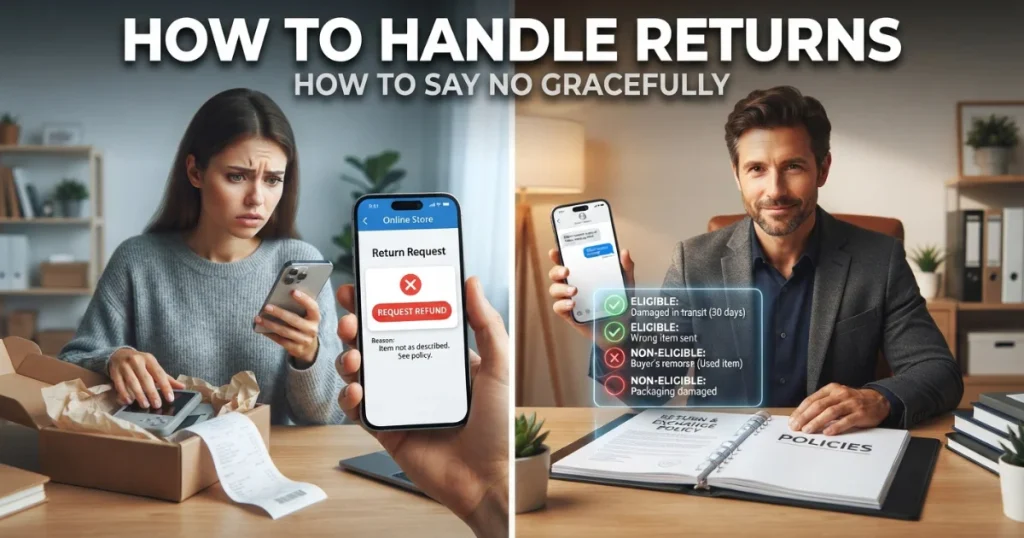
Return policy isn’t just a buyer concern — sellers in this space have to balance customer goodwill against protecting resale value on limited stock.
How to deal with customer returns? Clear, upfront policy communication is the biggest factor in reducing disputes. Listing exact condition requirements and final-sale terms on the product page — not buried in fine print — sets expectations before a purchase happens.
How to nicely say no refund? Firm but respectful language works best. Reference the specific policy term rather than a personal judgment — something like “this item is marked final sale per our drop policy” lands better than a vague refusal, and it keeps the conversation about the policy, not the customer.
Balancing customer goodwill with resale protection is an ongoing tension in streetwear retail. Some sellers offer store credit or exchange as a middle ground when a strict refund isn’t available, which preserves the relationship without compromising the item’s resale integrity.
FAQs About Streetwear & Sneaker Returns
What to say to return an item?
Be specific about the issue — wrong size, defect, or item not as described. Vague reasons are more likely to be questioned or denied.
What is the sneakers return policy?
Most retailers require unworn sneakers with original box and tags, returned within 14 to 30 days. Limited editions are often final sale.
What is streetwear?
Streetwear is a casual fashion style rooted in skate, hip-hop, and sneaker culture, built around limited-run drops and hype-driven scarcity.
What is a good reason for return?
Wrong size, defects, and items that don’t match their description are the strongest, most commonly approved reasons for a return.
How to nicely say no refund?
Point to the specific policy term calmly and clearly, rather than giving a personal opinion, so the refusal feels grounded in policy rather than judgment.
How to deal with customer returns?
Set clear condition and final-sale terms upfront on product listings. Clear expectations before purchase reduce disputes after purchase.
Conclusion
Streetwear and sneaker returns come down to condition, honesty, and timing. Limited drops play by stricter rules than regular stock, sneakers get inspected closely for wear, and being specific about your return reason goes a long way on both sides of the counter.