Kids grow fast, and sizing a child’s wardrobe online is a guessing game. Primary gives you three full months to figure it out, not three weeks.
This guide breaks down the Primary kids return policy in detail — the 90-day window, what’s excluded, and how it compares to typical retail norms.
What Is Primary.com’s Return Policy?
This is the question every new shopper searches before placing their first order, and the answer is genuinely generous.
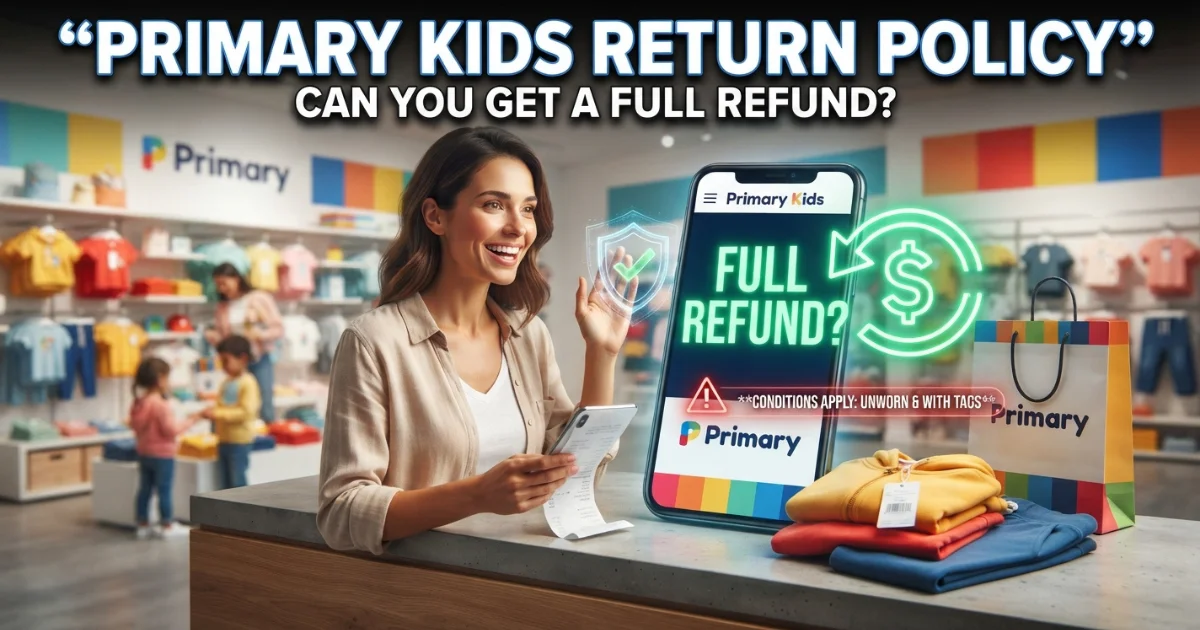
What is Primary.com’s return policy? Primary offers free returns within 90 days on items that are unworn and unwashed. A prepaid return shipping label gets emailed to you, so there’s no cost to send an eligible item back.
Here’s the detail that trips people up: clearance and final sale items are excluded from returns entirely. But regular sale items — anything discounted but not marked clearance — still qualify for the full 90-day window. That’s a meaningful distinction worth checking at checkout.
One more practical rule: Primary can’t process returns across multiple orders packed into a single box. Each order needs its own return label and its own separate package, which matters if you’ve placed more than one order recently.
Can I Still Return After 30 Days?
This question comes up constantly, usually because most retailers train shoppers to expect a much shorter window.
Can I still return after 30 days? Yes. Primary’s return window runs a full 90 days, so being past the 30-day mark doesn’t disqualify you at all. You still have two full months remaining after most other retailers would have already closed the window.
This longer window exists for a practical reason: kids’ clothing needs real-world testing. A pair of leggings might look fine on day one, but you won’t know how the fabric holds up through actual wear and a few washes until weeks later. A 90-day window gives parents time to genuinely evaluate durability, not just first impressions.
Can I Still Return After 28 Days?
This is a close cousin of the 30-day question, and it deserves its own direct answer.
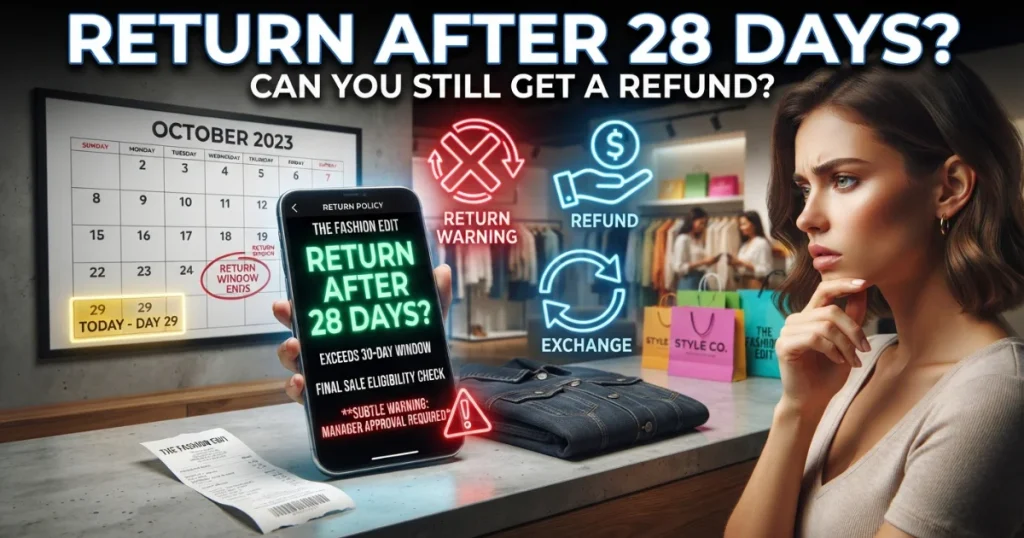
Can I still return after 28 days? Yes, for the same reason — 28 days is still comfortably inside the 90-day window. This specific question often comes from shoppers used to shorter international standards, like 28 or 30-day windows common with other retailers.
It’s worth confirming exactly when your 90-day countdown starts. Generally, it runs from the delivery date, not the date you placed the order, so check your shipping confirmation email if you’re ever unsure how much time remains.
What Is a Typical Refund Policy? (And How Primary Compares)
Understanding the general baseline makes it easier to see exactly how generous Primary’s policy really is.
What is a typical refund policy? Across most retail categories, a standard return window runs somewhere between 30 and 90 days, with refunds typically going back to your original payment method once the returned item is received and inspected.
Primary sits at the generous end of that range, with the added convenience of a prepaid return label included automatically — no separate shipping cost to worry about, which isn’t universal across children’s apparel retailers.
Once your return is received, expect roughly 2 to 3 weeks for the refund to process, with a confirmation email sent once it’s complete. If an item arrives damaged or defective, Primary asks that you skip the self-service return flow and contact support directly instead, so the issue gets handled correctly.
Where Are Primary Kids Clothes Made (And Is Primary a Good Brand)?
Trusting a brand enough to buy in the first place usually comes down to two things: where the clothes are made, and how they actually hold up.
Where are Primary kids clothes made? Primary manufactures its clothing in India, Vietnam, and China. Every production facility is required to pass approval from a certified third-party inspection company and stay compliant with ethical manufacturing standards.
Is Primary a good brand for kids? By most measures, yes. Primary’s organic cotton is GOTS certified (Global Organic Textile Standard), considered the highest global benchmark for organic textiles, and many pieces carry OEKO-TEX Standard 100 certification, confirming the fabric poses no risk to human health.
Real-world feedback tends to back this up. Parents frequently report that Primary basics hold up well through regular wear, washing, and hand-me-downs between siblings, though some reviewers note that years of heavy, active use eventually shows normal fading and wear — the same expectation you’d have for any well-made cotton garment.
FAQs About Primary Kids Returns
What is Primary.com’s return policy?
Primary offers free returns within 90 days on unworn, unwashed items, with a prepaid return shipping label. Clearance and final sale items are excluded.
Can I still return after 30 days?
Yes. Primary’s return window runs a full 90 days, so 30 days past purchase is still well within the eligible period.
Where are Primary kids clothes made?
Primary manufactures its clothing in India, Vietnam, and China, using facilities approved by certified third-party ethical compliance inspectors.
What is a typical refund policy?
Most retailers offer a 30 to 90 day return window, refunding to the original payment method. Primary sits at the generous end, with a free prepaid return label included.
Is Primary a good brand for kids?
Yes, based on GOTS-certified organic cotton, OEKO-TEX Standard 100 certification, and consistently positive parent feedback on durability and customer service.
Can I still return after 28 days?
Yes. Since Primary’s return window extends to 90 days, 28 days after delivery is still comfortably within the eligible return period.
Conclusion
The Primary kids return policy stands out for its length and simplicity: 90 days, a prepaid label, and no cost to send items back. Just remember that clearance and final sale items don’t qualify, and keep multi-order returns in separate packages to avoid processing delays.
Abroy William is a consumer rights researcher and retail policy strategist with over a decade of experience analyzing corporate refund frameworks, consumer protection laws, and retail supply chains across North America.